For a new B2B company, organic content marketing typically takes 8-12 months to generate meaningful results, especially if your goal is conversions.
So, if an SEO agency promises conversions within 90 days through organic efforts alone, be cautious. While early improvements in rankings and traffic are possible, consistent organic growth takes time.
With organic marketing, patience and consistency matter just as much as strategy.
-
Organic B2B content in India typically takes 8-12 months to deliver meaningful business results.
-
The first 0-6 months usually bring visibility, not revenue.
-
Evergreen content compounds and drives long-term traffic and leads.
-
The best results come from SEO, LinkedIn, email, and founder branding together.
-
Paid ads are faster. Organic content is more sustainable.
A real story about how long organic SEO takes
This story is from a company I worked for earlier.
The B2B company already had a website, but it hadn’t been updated in ten years. When a new operations head joined, he saw a huge opportunity in digital marketing, so the company hired an entire team.
I joined the team a little later.
The first thing the team did was revamp the website. The UI was redesigned, and every website page was planned and written.
However, the content wasn’t written by an SEO website content writer. Most of it was created by the management with help from a few in-house subject matter experts. The website UI and development were handled by an agency.
Once everything was in place, the management expected the website to start bringing in new leads from day one.
Well, that didn’t happen.
When they started looking for the root cause, the first person they blamed was the SEO guy. The easiest way out!
But the SEO guy and the marketing head asked for one thing: time. At least a year.
It was a difficult position to be in because he wasn’t even allowed to touch the website content. The decision-maker didn’t believe the content needed to be optimized for search engines.
So, he focused on what he could control: technical SEO. After that, all he could do was wait.
As they approached the one-year mark without seeing any “visible” results, they had almost decided to fire him.
Fortunately, a few pages slowly started ranking.
Later, he told me why. The company offered a few highly niche services with little to no online competition. Around the same time, a Google algorithm update also gave those pages a visibility boost.
That was enough to save his job.
But he continued insisting that content SEO should be the top priority. That’s when they brought me in.
Long story short, that never happened.
They never let me touch the website content. All I could do was use LinkedIn to drive some traffic to the website.
By the way, blogging was never even on the table. I suggested it, but the idea was scrapped.
So, what did they do instead?
They relied almost entirely on paid ads.
It felt like the fastest way to generate leads. But if those leads didn’t convert, which wasn’t entirely in marketing’s control, the ad spend was simply gone.
I watched them spend ₹10,000 to ₹20,000 every month on ads and get almost nothing in return.
Leads did come in, but the conversions weren’t enough to recover the ad spend. Around 70% of the enquiries were bogus. It was simply money down the drain.
So, if you think paid ads alone are going to magically bring you good clients, good luck.
The honest timeline breakdown
If you’re relying only on organic marketing (which I wouldn’t recommend if you have the budget), here’s what the timeline usually looks like:
| Timeline | What to Expect |
|---|---|
| 0-3 months | Strategy, content creation, and technical setup. Little to no business impact yet. |
| 3-6 months | Better impressions, engagement, and early keyword rankings. |
| 6-12 months | Organic traffic grows, rankings improve, and the first inbound leads appear. |
| 12-24 months | Content compounds into a reliable source of traffic, leads, and authority. |
Every marketing channel has a different timeline:
| Channel | Results Timeline |
|---|---|
| Email Marketing | 2-4 months |
| LinkedIn Organic | 3-12 months |
| Content Marketing | 12-18 months |
| SEO | 12-18 months |
| ABM | 6-12 months |
| Webinars | 3-6 months |
This is a general timeline, assuming you’re using all your organic marketing channels strategically.
In other words, you can’t rely only on your website or only on social media. Your website, SEO, LinkedIn, email marketing, founder branding, and content strategy all need to work together.
That said, this timeline isn’t set in stone. Just because it worked for my clients doesn’t mean it’ll work the same way for you.
Your results will depend on factors such as your niche, website authority, competitive landscape, content quality, and the consistency of your marketing efforts.
For some businesses, it may take even longer to see meaningful results.
Why does B2B content marketing take longer to show results
One of the biggest reasons B2B content marketing takes time is that buyers rarely make a purchase the moment they discover a solution.
According to a Gartner survey, 61% of B2B buyers prefer to research their problem before they start evaluating vendors.
They read blogs, watch videos, download reports, compare vendors, and explore different solutions before they even think about reaching out.
This naturally makes the B2B buying journey much longer than B2C.
An Optifai resource states, a B2B SaaS sales cycle can range from 30 to 180+ days. For SMBs, the average sales cycle is around 14 days, while for enterprise businesses, it can extend to 180 days or more. The median sales cycle is 84 days.
If budget approvals are involved, especially toward the end of a financial year, the purchase may be pushed to the next budgeting cycle.
Another reason is that many B2B companies, especially in India, try to minimize investments wherever possible. Before buying a new product or hiring an external service provider, teams often explore whether the problem can be solved in-house.
Even if your company makes it to the shortlist, you’re still competing with internal alternatives, existing vendors, and other service providers.
B2B products and services are also relatively expensive, so the buying decision rarely rests with one person.
From what I’ve seen during my full-time career, the discussion usually goes back and forth between the team that needs the solution and the finance team. Depending on the organization, it may then move to senior leadership for budget approval before a final decision is made.
All of this extends the time it takes for content marketing efforts to turn into actual business.
That’s why patience matters.
If you keep showing up, create genuinely helpful content, and nurture potential buyers at every touchpoint, your efforts will compound over time.
The results may not be immediate, but they’re often far more sustainable than relying solely on short-term tactics.
Why does B2B content marketing take longer to show visibility
When it comes to search engines, B2B content marketing takes longer to gain visibility because it relies heavily on building authority.
Unfortunately, authority takes time to earn. And you can’t build it by publishing generic content, which I still see many brands doing.
Google’s search algorithms prioritize people-first, helpful content that demonstrates experience, expertise, and trust. So, no, you can’t rely on free GenAI tools and keep publishing 100% AI-generated content expecting it to rank.
I also see many websites recycling content that’s already ranking. They present the same information with better visuals, a new infographic, an extra table, a few paraphrased sections, and a handful of additional examples.
That approach might have worked a few years ago, but it’s becoming far less effective in 2026 and beyond.
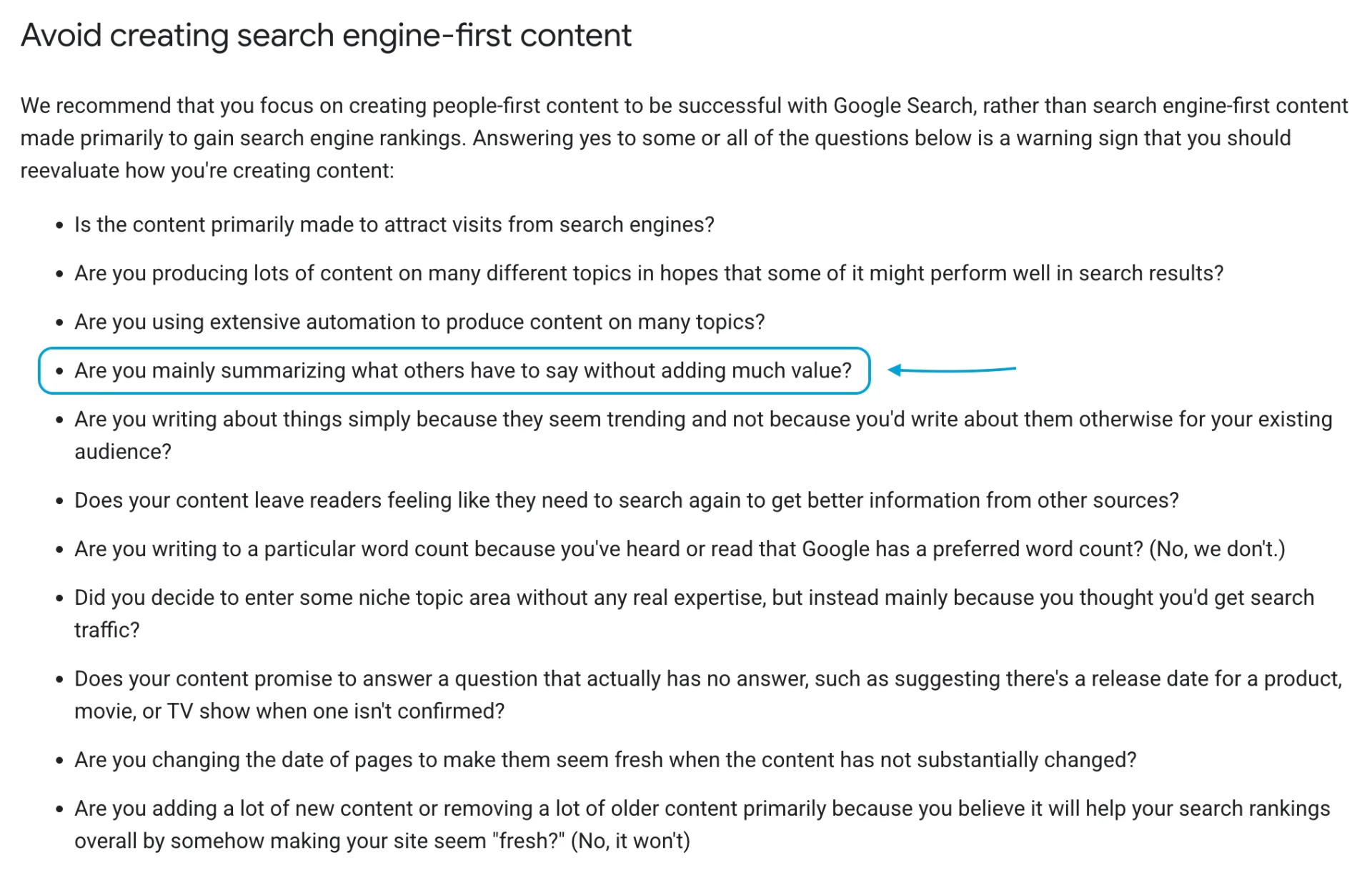
To stand out today, your content needs to add something genuinely useful to the conversation. It should offer original insights, real experiences, unique data, expert opinions, or perspectives readers can’t find elsewhere.
Social media is no different. Building traction there takes time too.
Since you’re targeting business owners and decision-makers, you can’t rely on the same tactics that work for B2C brands.
If your brand is new, it may take 2 to 3 years to establish itself as a recognizable name in the market.
For most B2B companies, LinkedIn is the primary social media channel. But posting consistently isn’t enough. You also need a distinct brand personality that people remember and trust.
You can’t expect your follower count to grow just because you published a well-researched carousel.
A great example is Fatjoe, an SEO agency.
It took the company around 18 months to grow its LinkedIn following from 3,000 to 10,000 followers, entirely through organic content.
Instead of posting generic SEO tips, they leaned into their brand voice, built a recognizable personality, and consistently used their mascot, Jojo, to make the brand memorable and spark conversations.
Moreover, your brand needs a face. Otherwise, it’s almost invisible.
That’s why I believe every B2B founder or business owner should build a personal brand, whether they like it or not.
A strong personal brand builds credibility, earns trust, and often opens doors long before someone visits your company’s website.
Neil Patel Digital is a great example of how a founder’s personal brand can strengthen a company’s brand and attract a loyal audience.
Its co-founder, Neil Patel, built his reputation as an SEO expert. He is a New York Times bestselling author and has been recognized as one of the world’s top marketers.
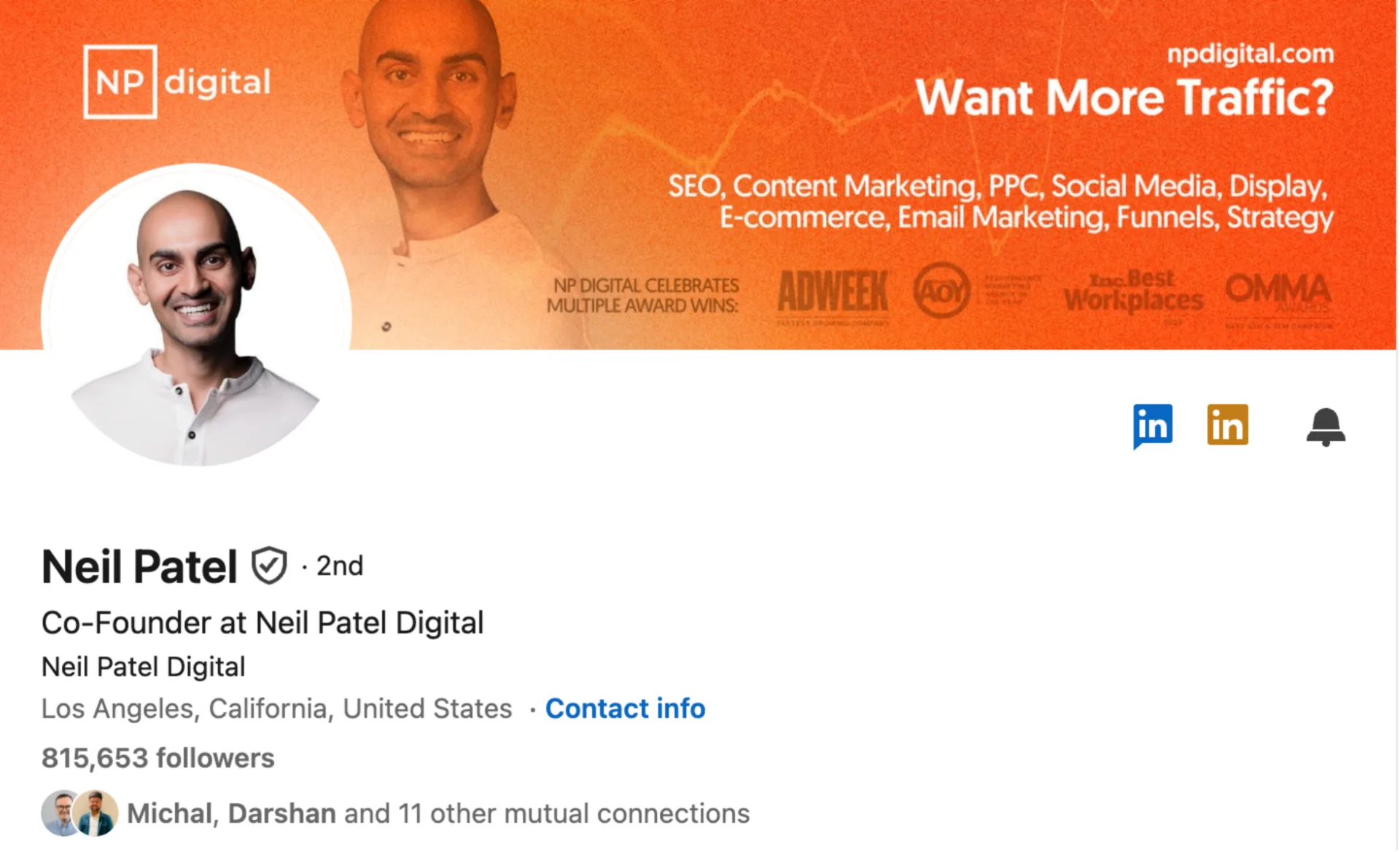
He built his reputation through content marketing, and that credibility naturally extended to his companies, Ubersuggest and NP Digital.
People trust his brands because they know him as an SEO expert. They believe working with his companies will help them achieve better results.
B2B marketing, in general, is a slow game. It takes years, not months, to see exceptional results.
That also makes it difficult to convince revenue-focused management teams.
When I worked at the same company I mentioned earlier, convincing the management to invest in marketing was always a challenge.
They wanted results within a few months. But organic SEO and content marketing simply don’t work that way.
In marketing, when results aren’t immediate, the first question is always, “Is it even worth investing?”
Organizations are used to working with deadlines and quarterly targets, so they naturally expect the same from organic marketing.
Usually, they’re willing to wait 4-6 months, tops.
But organic B2B marketing takes much longer, and there’s no fixed timeline. It depends on factors such as your industry, competition, website authority, content quality, and consistency.
That’s why I always recommend positioning it as a long-term investment rather than a short-term expense.
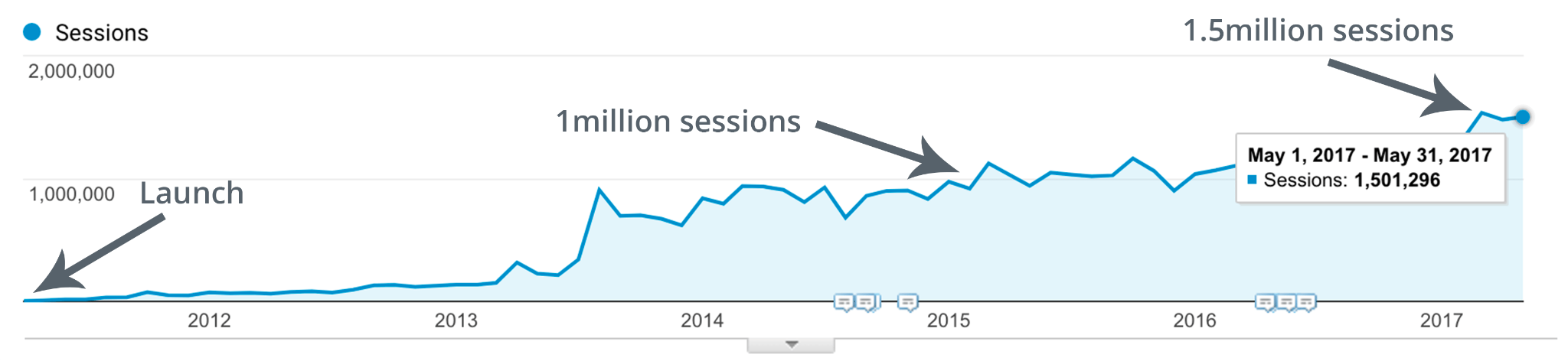
For example, it took Buffer four years to reach 1.5 million monthly sessions after its launch.
A similar thing happened with the former colleague I mentioned earlier.
His SEO efforts started showing results only after about a year. But those pages continued bringing in website traffic and enquiries even after he had left the company.
In other words, the investment made in Year #1 continued delivering results for the next 3 to 4 years.
That’s the thing about organic marketing. The investment isn’t just money. It’s patience + consistent effort + money.
Together, they create a compounding effect that makes organic marketing worth the wait.
Organic marketing is never a one-time investment. You need to keep updating your website, publishing fresh content, maintaining your social media presence, and improving your overall digital footprint to stay relevant as your market, competitors, and search algorithms evolve.
Success stories of B2B organic content marketing
Most B2B brands within the same niche are quite similar.
They often solve the same problems, and even their unique features are easy to replicate. In some industries, such as life sciences, manufacturing, and parts of tech, regulatory requirements also limit how much companies can differentiate their products or services.
That’s why one of the best ways to stand out is to sound different.
Of course, customer service and product quality are strong differentiators. But they matter more after you’ve already won a customer.
To attract clients as a new brand, you need a distinct voice. That’s where B2B content marketing comes in.
Here are a few B2B brands that have done it well and how long it took them to get there.
HubSpot
HubSpot is a MarTech company and one of the pioneers of inbound marketing.
In 2004, its founders, Brian Halligan and Dharmesh Shah, realized that buyers wanted to educate themselves before talking to sales.
Instead of focusing only on selling, they chose to educate their audience first. At the time, that was a bold move and a clear differentiator.
It paid off because they focused on what buyers actually needed.
Today, HubSpot offers free blogs, playbooks, ebooks, guides, templates, and even courses.
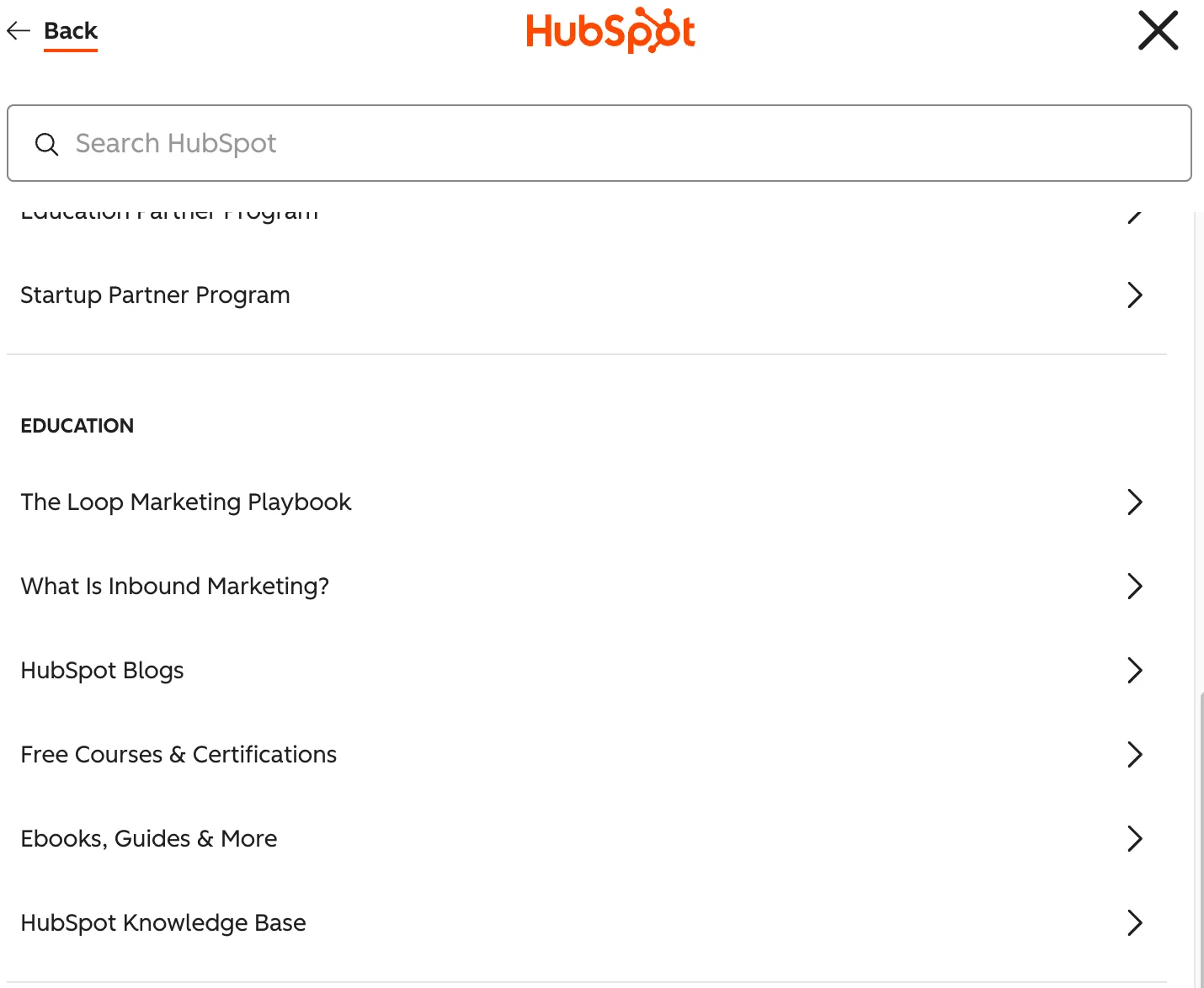
They also work with several guest authors who are experts in their respective fields, making their resource library a goldmine for marketers worldwide.
HubSpot was founded in 2006, but its first major breakthrough came only in 2014.
That’s eight years later.
They started gaining momentum in 2012 with their annual INBOUND conference, where they brought together thousands of marketers and shared even more free educational content with their target audience.
This helped position HubSpot as a trusted brand in the minds of marketers. From there, there was no looking back.
🔥 Read more about HubSpot’s story here: The Blog That Beat Cold Calling: The Origin Story of HubSpot
Slack
Slack is a business communication and collaboration platform that was publicly launched in August 2013.
From the beginning, they focused on user-generated content, thought leadership, and educational content to attract and nurture their target audience.
Between 2013 and 2017, they ran a “Wall of Love” campaign, where they curated positive tweets from users and showcased them publicly.
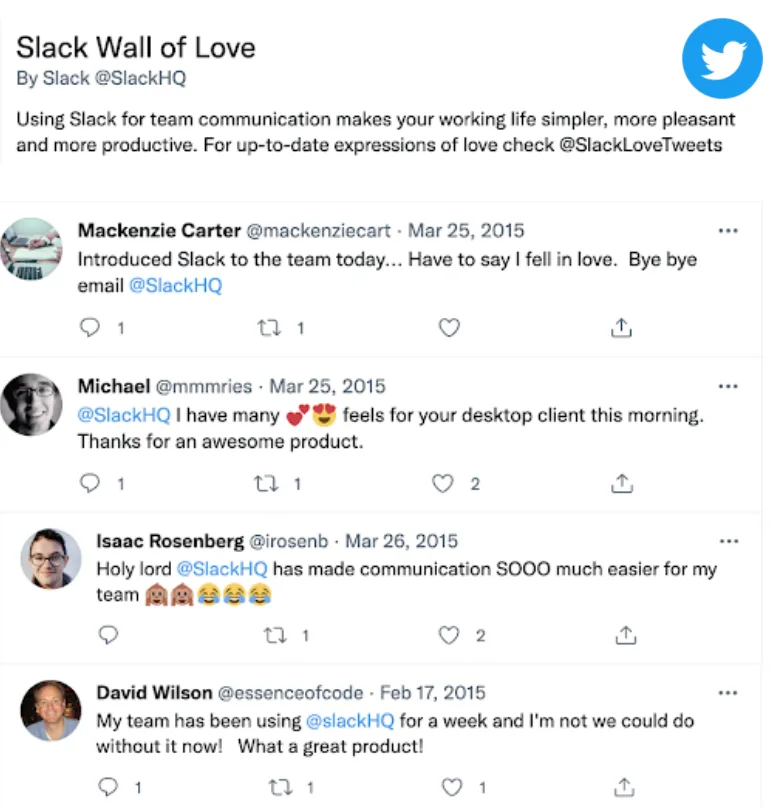
It was something new for their niche.
More importantly, it gave potential customers access to genuine, unfiltered feedback from real users, helping build trust in the brand.
They also relied on traditional PR. Tech journalists kept writing about the product, while many of their early subscribers came through existing networks.
All of that eventually fueled word of mouth.
Later, they invested heavily in content marketing, which helped build brand awareness and establish Slack as a category leader.
Their content marketing strategy mainly included:
- Educational blogs and case studies.
- Answering commonly asked questions through YouTube videos, Instagram Reels, and other social media content.
- Sharing product updates through videos and blogs.
Together, these efforts kept Slack top of mind for its target audience.
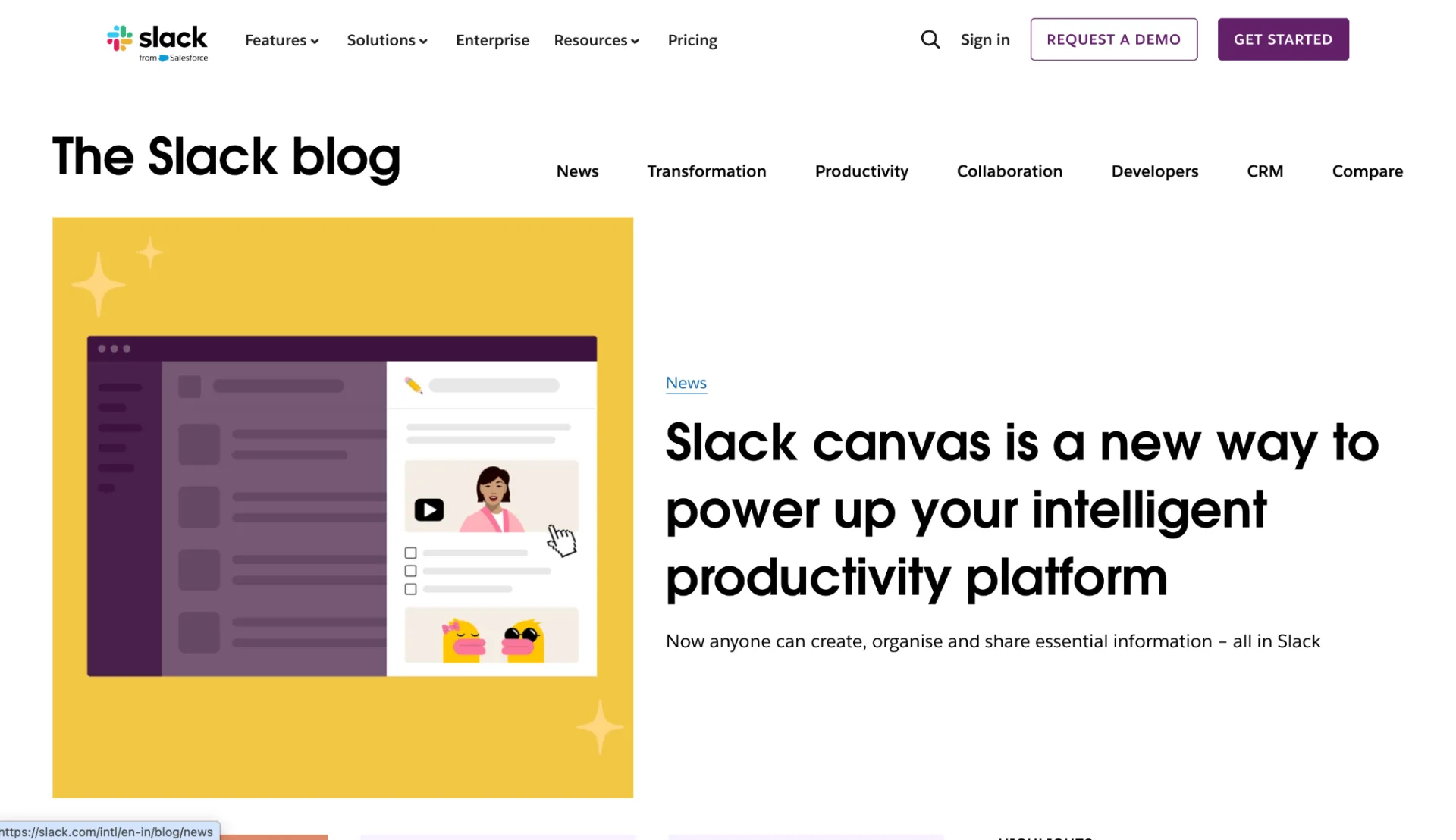
Currently, they’re focusing on GTM strategies while continuing to invest in content marketing.
Charles River Laboratories
When it comes to life sciences, Charles River Laboratories is doing exceptionally well with its Eureka blog, along with podcasts and webinars.
In life sciences and many other B2B industries, sales is usually the primary driver of lead generation.
As one of my ex-managers used to say, “In B2B life sciences, sales is like the son, and marketing is like the son-in-law.”
However, Charles River Laboratories has successfully used content marketing to build brand awareness while also supporting lead generation.
Their Eureka blog was launched in 2012, and as of 2026, it receives around 500,000 monthly visits.
They focus on science-first content tailored to different audience segments.
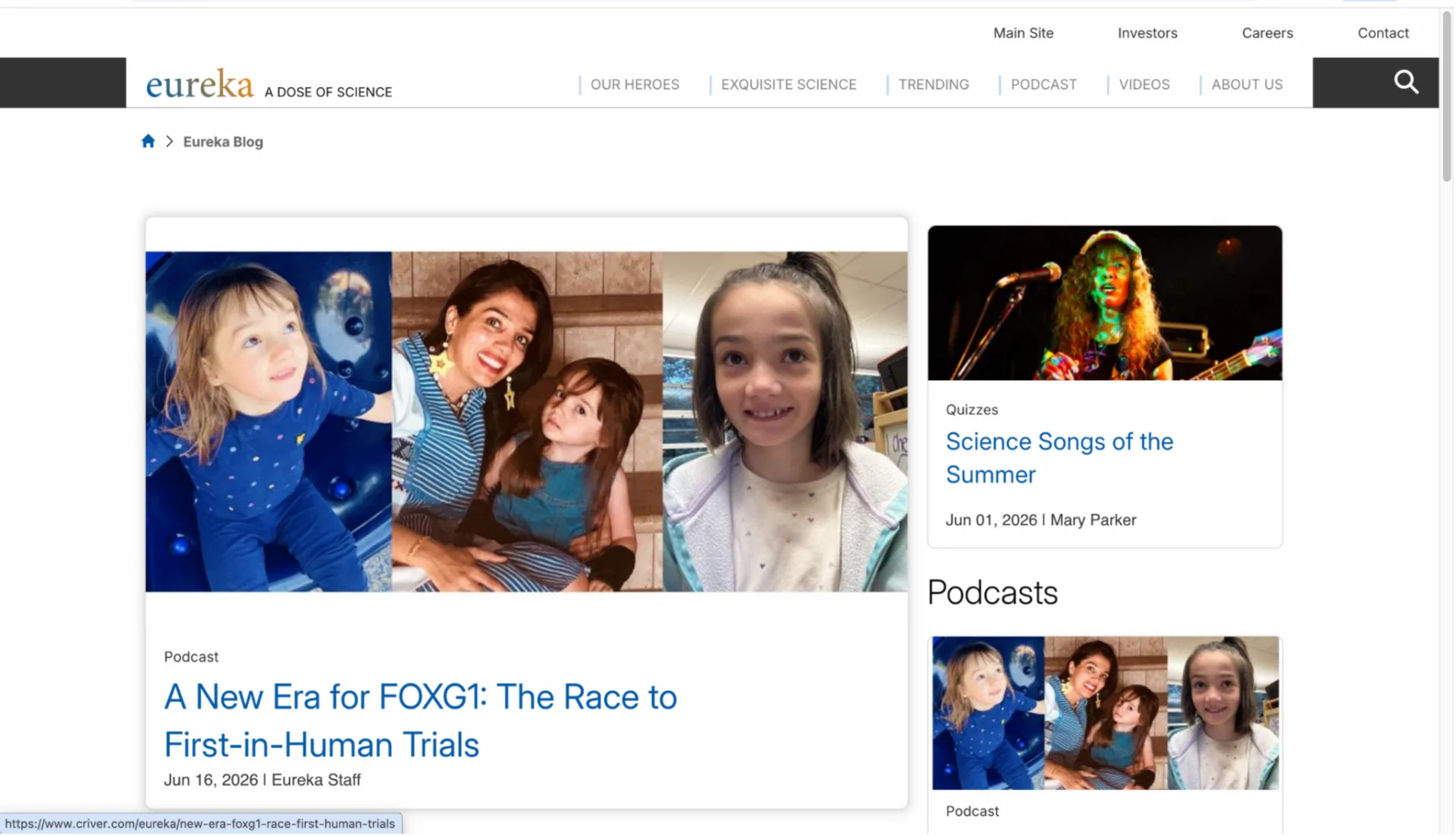
Along with highly informative blogs, they also publish white papers and peer-reviewed posters, which has helped them build authority in their niche.
They also incorporate patient stories into their content, adding a human element to an otherwise technical B2B brand. This has helped strengthen client trust while also boosting employee morale.
Today, their content marketing efforts drive around 500,000 monthly website visits and approximately 50,000 qualified inbound leads.
However, it was only in 2020 that they saw a significant spike in website traffic, largely due to their work around COVID-19 vaccines.
They also use email marketing to regularly share informational technical bulletins. These emails achieve an open rate of >35%, outperforming industry benchmarks.
Email marketing also helps them nurture both prospective leads and existing clients.
Combined with their webinars and podcasts, these efforts have helped establish Charles River Laboratories as an industry leader in recent years.
How to start getting organic B2B content marketing results within a year
If you have the patience and are willing to put in the effort, there’s a good chance you’ll start seeing results.
Unless you’re an alien trying to sell a completely unknown product to humans… these are a few things I suggest doing beyond the obvious:
Learn everything about the channel’s algorithm
Don’t blindly follow what the gurus say.
Platforms update their algorithms every few months. Google Search, in particular, is known for frequent updates.
Remember how my ex-colleague’s job was saved because of an algorithm update? Yes, all within a year.
LinkedIn, YouTube, Google Search, Instagram, and almost every major platform keep evolving their algorithms.
For example, around 2025, LinkedIn made a major algorithm shift. They moved from LiRank to 360Brew after years.
This reportedly impacted LinkedIn post impressions by 47%. Even I was affected.
But this also means old “growth hacks” won’t work forever.
With AI becoming a bigger part of these algorithms, platforms are getting better at showing content to people who are genuinely interested in it.
This means engagement matters more than ever.
Even if your reach is lower, strong engagement usually indicates that you’re reaching the right audience.
That’s why staying updated with algorithm changes is important.
Read official documentation and platform announcements instead of relying only on influencers. Understand what’s changing and brainstorm how you can adapt your strategy.
One mistake I still see many marketers making is relying on tactics they used five or seven years ago. Unfortunately, many of those strategies no longer work.
Invest in high-quality content
In content marketing, quality is everything, whether it’s social media posts, email campaigns, videos, or blogs.
Most Indian B2B brands prioritize quantity over quality.
They’re willing to pay more if an agency promises 50-60 blogs a month or 3-4 social media posts a day.
But content marketing has never been a numbers game. It’s always been a quality game.
For example, one of Charles River Laboratories’ top-performing blogs in 2020 was actually published in 2018.
Well-researched and well-written content can continue bringing traffic and quality leads to your website, even after a year or two.
A high-quality blog, social media post, video, white paper, or case study can attract the right audience and move them closer to becoming customers.
That’s why it’s worth investing in an SEO content writer, copywriter, or content creator who understands how to research both the topic and the audience before creating content.
Great content compounds over time. The work you invest in today can continue generating value for years.
Create more evergreen content
Most B2B brands focus heavily on trending topics. But the real gold lies in evergreen content.
One approach that works well is creating evergreen pillar pages.
For example, let’s say you’re a content agency offering three services: SEO content writing, copywriting, and ebook writing.
Your primary target industries are EdTech and FinTech.
Instead of creating only trend-based content, invest your time, effort, and money into evergreen resources such as “How to Create a FinTech Lead Magnet That Continues Generating Qualified Leads” or “How to Build Links for Your EdTech Blog.”
This gives you two major benefits:
- It builds authority with both search engines and readers because you’re creating in-depth, expert-led content that remains relevant over time.
- Your cluster blogs can link back to these evergreen pillar pages, strengthening your overall SEO strategy.
A good example is Chris Fielden, a short story writer.
He created his website in 2011. A year later, in 2012, he published an evergreen page listing writing competitions.
There was no aggressive link building or heavy promotion. He simply did basic keyword research, created the resource, and published it.
And this was the result:

Over time, this single blog started bringing in 67% of his website’s total traffic. Competition organizers even started reaching out to him to get their contests featured in his list.
That’s the power of evergreen content.
So, try incorporating more evergreen content into your content marketing plan to generate compounding results.
Get started with your organic B2B content marketing
When you’re investing in B2B organic content marketing, it’s a game of patience + effort + money.
There’s no shortcut.
If you’re planning to start, be prepared to wait at least a year before you see meaningful results. And yes, I know that’s difficult, especially when you’re waiting for revenue.
But the compounding effect you’ll see years later will make the investment worthwhile.
The most successful B2B brands rely heavily on content marketing to generate qualified leads year after year.
They’ve already built a strong brand presence, so people search for them directly. Content marketing has played a significant role in helping them get there.
If you’re planning to start content marketing for your B2B brand and need guidance, feel free to schedule a FREE 1:1 consultation call with me.
Frequently Asked Questions
About the author

Ambika Maji
Ambika Maji is a fractional content marketer and a freelance SEO content writer with 8+ years of experience. She helps B2B brands turn content into a growth lever, specializing in SEO content, B2B content strategy, and social media content. She writes data-backed blogs on content marketing, SEO, AI content, MarTech, and productivity. Off work, she's usually lost in a book on Hindu mythology or charting her next move in Vedic astrology.