Well, here’s the thing: content marketing isn’t just about posting random content on every platform.
You’ve probably realized that by now, especially if you’re researching end-to-end content marketing.
In this blog, I’ll break down the entire content marketing process. Whether you’re in manufacturing, SaaS, a service business, or even running a family business, this guide will help.
By the end, you’ll know exactly what to implement and the order to do it in.
What Does “End-to-End” Content Marketing Mean?
End-to-end content marketing is the process of planning, creating, distributing, measuring, and optimizing content to generate business results.
Strategy + Creation + Distribution + Conversion + Measurement
It’s much more than posting on social media or publishing an AI-generated blog.
It involves:
- Market research and audience understanding
- Content strategy
- Content creation
- Distribution and promotion
- Performance tracking and optimization
Each of these five pillars requires a different skill set. That’s why end-to-end content marketing is a team effort, not a one-person job.
If you’re on a limited budget and want to test content marketing before building a team, hiring a fractional content marketer is often the smarter option.
A fractional content marketer (like me!) leads your content marketing strategy and brings in specialists whenever required—whether freelancers or part-time marketing professionals.
But if you’re a hands-on business owner or already have an internal team, here’s the framework I typically follow for small B2B businesses in India.
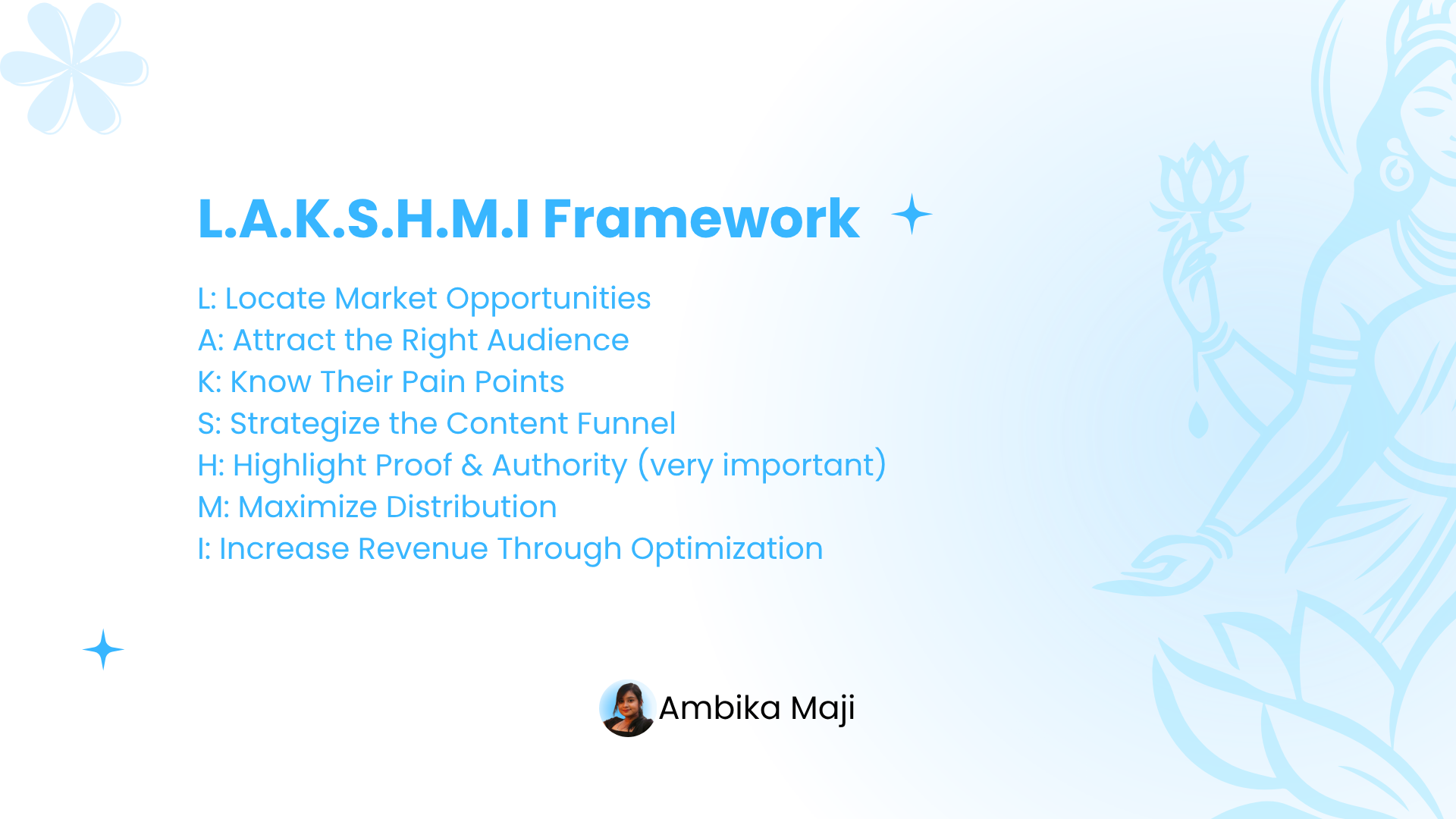
I call it the L.A.K.S.H.M.I. Framework.
Here’s what it stands for:
- L: Locate Market Opportunities
- A: Attract the Right Audience
- K: Know Their Pain Points
- S: Strategize the Content Funnel
- H: Highlight Proof & Authority (the most important step)
- M: Maximize Distribution
- I: Increase Revenue Through Optimization
Now, let’s break it down.
Step 1: Locate Market Opportunities
Ever wondered how brands like Zomato, Swiggy, and Blinkit consistently come up with marketing campaigns that stay with you?
It all starts with market research, something I’ve noticed many small B2B businesses overlook.
The most common approach?
Do what the big players are doing.
But here’s the catch: you’ll end up competing in areas where they already have years of experience, bigger budgets, and stronger brand recall.
Instead of copying what’s already working for them, look for market gaps and overlooked opportunities.
Here’s where to start
Industry Research
Read recent industry reports, articles, and updates whenever you can.
You need to stay on top of trends, and this isn’t a one-time activity. It’s an ongoing process.
The more consistently you follow your industry, the better you’ll understand where the market is headed, which topics are gaining traction, and where new opportunities lie.
The insights won’t just improve your marketing. They’ll also help you refine your products, services, and positioning.
For example, if you’re in the semiconductor industry, you should regularly follow reports from McKinsey & Company and Deloitte, updates from the Semiconductor Industry Association, and policy announcements from the Government of India.
Subscribe to industry newsletters, magazines, and email updates to stay informed without actively searching for news every day.
Competitor Selection
Analyze 5-6 competitors that are most similar to your business. Reviewing too many competitors will only make the analysis harder.
Start by listing the competitors in your niche. Then, score each one based on factors such as:
- Product or service similarity
- Target audience
- Pricing
- Brand positioning
- Content quality
- Market presence
You can also add criteria specific to your business.
Use the table below to shortlist the competitors most relevant to your business.
| Criteria | What to Look For | Score (1-5) |
|---|---|---|
| Business Fit | Similar industry and business model | |
| Target Audience | Similar ICP (company size, role, geography) | |
| Content Presence | Active blog, LinkedIn, case studies, resources | |
| SEO Visibility | Ranks for relevant keywords | |
| Funnel Strategy | Lead magnets, landing pages, email capture | |
| Authority | Testimonials, certifications, partnerships | |
| Company Size | Similar-sized business |
Scoring Method:
- Score each competitor from 1-5 for every criterion.
- Shortlist the top 3-5 highest-scoring competitors.
- Exclude competitors that:
- Are enterprise giants
- Have little or no marketing activity
- Target a completely different audience
Once you’ve shortlisted your competitors, categorize them like this:
| Type | Example | Why Include |
|---|---|---|
| Direct | Same service, same geography | Primary benchmark |
| Indirect | Same audience, different solution | Content ideas |
| Aspirational | Larger but similar business | Strategic insights |
| Content-First Brand | Known for content marketing | Learn content and distribution |
This doesn’t have to be perfect. The goal is simply to organize your competitors.
Don’t benchmark against competitors that are 50x your size. Study businesses that are 1-3 steps ahead of you, not 10.
Competitor Content Audit
Now it’s time to analyze their content.
Every competitor has a different brand personality, so don’t copy everything they do. Instead, focus on how their audience responds. Look at the posts people engage with, comment on, and share.
This takes time.
I usually do this in a Google sheet, and it can be fairly time-consuming. Depending on the number of competitors, it takes me anywhere between 6-8 hours to 2 days to map everything and identify patterns.
As you analyze their content, ask yourself:
- What topics are they covering?
- Which formats perform best?
- What kind of messaging gets the most engagement?
- What are they not talking about?
Use those insights to build a content strategy that fits your business, not theirs.
I’ve added a sample content audit below. Feel free to customize it based on your requirements.
Keyword and Query Research
Keyword research tells you what people are searching for. Query research tells you how they’re searching for it.
You need both.
Instead of chasing broad, high-volume keywords, focus on long-tail, intent-driven keywords and real user queries related to your brand, product, or service.
If possible, hire an SEO or GEO professional, even for a one-time consultation, to build your keyword clusters and query map.
If that’s not feasible, you’ll have to do it yourself.
Most SEO tools are paid, so you may need to start with free plans or trial versions.
I usually use Ubersuggest by Neil Patel, but there are plenty of alternatives. In the beginning, your understanding of the industry matters more than expensive software.
Now Comes GEO: Generative Engine Optimization
If you want your brand to appear in AI Overviews and generative search platforms, query research becomes even more important.
Your content should be easy for AI systems to understand, verify, extract, and cite.
Here’s what helps:
- Build contextual brand mentions across authoritative websites instead of chasing backlinks.
- Invest in online PR and industry publications.
- Keep your company description, positioning, and messaging consistent across platforms.
- Publish original research, unique insights, or updated industry data.
- Define 3-5 core brand facts, such as your pricing, USP, positioning, or key features, and keep them consistent everywhere.
- Structure content with FAQs, comparison tables, bullet points, answer blocks, and descriptive subheadings.
- Implement structured data wherever possible.
- Make sure AI crawlers can access your website.
- Get your leadership team featured on niche podcasts, webinars, and expert panels.
- Build genuine third-party reviews and mentions on platforms like Reddit, Quora, GitHub, and G2.
Most of this overlaps with traditional SEO.
The difference is the objective.
Earlier, we optimized content to rank on search engines. Today, we optimize it to become a source that AI systems can confidently cite.
Authority, consistency, clarity, and third-party validation help both search engines and AI recognize your brand as credible.
Check how AI search engines perceive your brand using HubSpot’s AI Search Grader. This works best for brands with an established online presence.
Step 2: Attract the Right Audience
Before you attract the right audience, you need to define who they are.
I’ve seen many small B2B businesses struggle with this.
When business is slow, it’s tempting to sell to anyone willing to pay. (I’ve been there too 🥲)
But that usually comes back to bite you.
You just end up attracting people who aren’t right for your offer, leading to bad reviews and a pipeline clogged with bad-fit leads.
I saw this happen with a solopreneur I know.
She knew her craft inside out but hadn’t clearly defined who she wanted to work with. Her LinkedIn content was consistent, but it wasn’t targeted. She received two or three “lead” calls every month, but most of them went nowhere.
When we spoke, I asked her a series of questions to identify her strongest services.
Then we mapped the industries she already had experience in and, more importantly, the ones she genuinely enjoyed working with.
That exercise helped define her ideal target market.
I documented everything, created a roadmap, and shared it with her.
That clarity completely changed the way she positioned herself.
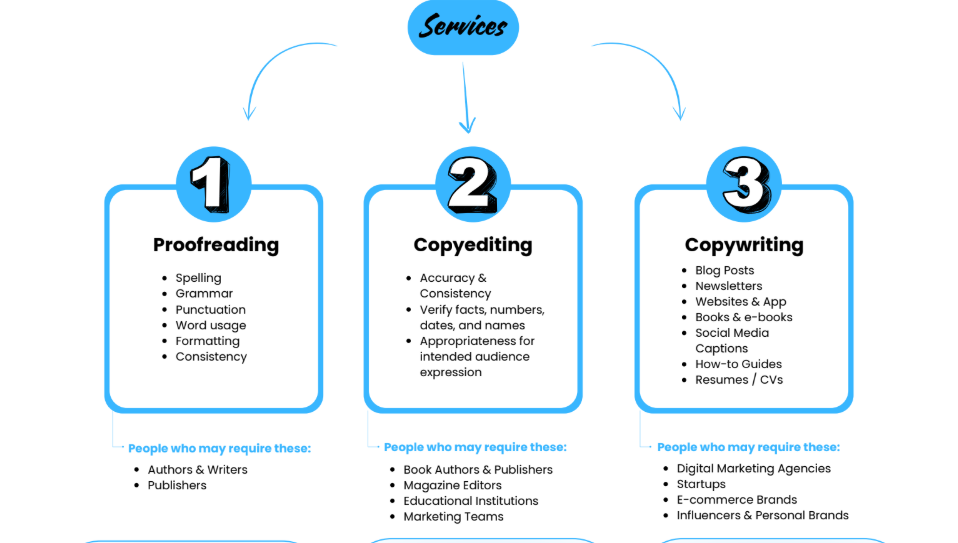
This was the gist of the roadmap I created.
Once her content was positioned for the right audience, her calendar started filling with calls.
She even told me she was getting overwhelmed by the number of calls.
That’s why identifying market opportunities isn’t enough. You also need to create content for the right audience.
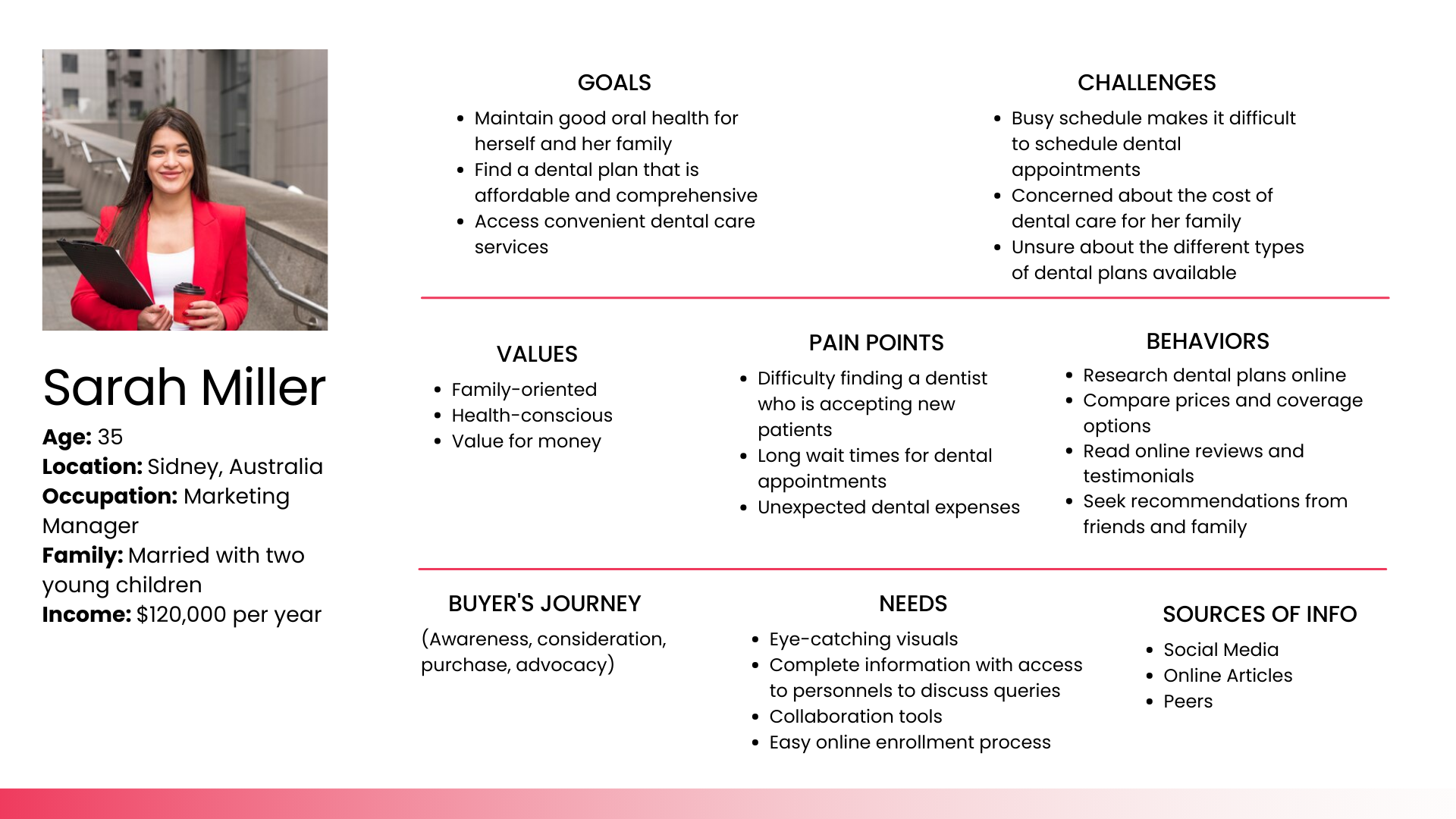
The first step is to build your Ideal Customer Profile (ICP).
Here’s an ICP document I created for a dental insurance company.
In India, your audience isn’t one homogeneous group. A factory owner in Ludhiana consumes content very differently from a SaaS founder in Bangalore.
Your content should reflect that. Keep a close eye on who’s engaging with your content and adjust your strategy accordingly.
The “Content Magnet” Strategy
To attract the right audience, create content on the platforms where they already spend their time.
Not every platform is right for every business.
For example, if you’re a manufacturer of industrial machine parts, putting all your effort into Instagram is unlikely to generate qualified leads.
Your audience’s preferred platform matters far more than the latest marketing trend.
Here’s a simple rule of thumb:
For B2B:
Focus primarily on LinkedIn and WhatsApp. Yes, WhatsApp is one of the biggest content-sharing platforms in India.
Forward-worthy PDFs, industry insights, technical explainers, case studies, and infographics tend to perform well.
For B2C:
Instagram Reels and YouTube Shorts are hard to ignore.
Short-form videos help build awareness faster, especially when buying decisions are quick or visual trust plays a big role.
The goal is simple: Show up where your audience already spends time, not where the internet tells you to be.
Write search-friendly captions for your posts. People use Instagram and YouTube like Google to discover products and services.
Step 3: Know Their Pain Points
This is where many small B2B businesses go wrong.
They keep talking about their “state-of-the-art machinery” while the customer is wondering:
“Will this reduce my downtime by 20%?”
Your audience doesn’t care about features alone. They care about outcomes.
To understand them, go beyond demographics like age, location, and job title. Focus on psychographics: what they want, fear, struggle with, and hope to achieve.
Ask questions like:
The “Late-Night” Worry
What keeps your customer awake at night?
For example: “Will my GST filing get rejected?”
The “Boss” Pressure
What does your buyer need to achieve to impress their manager or look like a hero?
The “Switching” Barrier
Why are they hesitant to switch vendors, even if they’re unhappy with the current one?
So, how do you find these answers?
Go straight to the source.
Read the comments on your top five competitors’ posts.
Pay attention to questions like:
- “How do I…”
- “What about…”
- “Can someone explain…”
These questions often become your best content ideas.
You can also ask your audience directly. Run a short survey or speak with existing customers.
Sometimes, your audience will tell you exactly what content they want.
Step 4: Strategize Your Content Funnel
You wouldn’t propose marriage on the first date. The same applies to content marketing.
Many businesses start by selling before they’ve built any trust. Instead, create a content funnel that reflects how people actually buy.
In India, buying decisions are often built on trust.
People compare options, read reviews, ask for recommendations, check your profile, and only then decide whether to contact you.
Your content should support them at every stage of that journey.
| Stage | Goal | Content |
|---|---|---|
| TOFU | Awareness | Educational blogs, industry news |
| MOFU | Trust | Comparison guides, newsletters |
| BOFU | Conversion | Case studies, testimonials, free audits |
For Indian SMEs, the Middle of the Funnel (MOFU) is often where deals fall through. This happens because decision-making can take 2-3 months, especially for high-ticket purchases.
If you disappear during that time, prospects may forget about you or choose a competitor who stayed visible.
That’s why nurturing matters.
Keep providing value through educational content, follow-ups, useful resources, case studies, and relevant updates without overwhelming them.
This is the first funnel you should experiment with.
Over time, you’ll notice that buyers don’t move through the funnel in a straight line.
Someone might discover you through a short video, read your blog later, check your testimonials, stalk your profile, disappear for a month, and suddenly come back ready to buy.
Once you understand how people move across your content, you can place the right content at the right touchpoints to guide them toward a purchase.
Just one thing: don’t annoy your audience.
No one wants late-night notifications or random WhatsApp spam.
Step 5: Highlight Proof & Authority
In a market like India, where “sasta aur tikau” (affordable and durable) is a common mindset, trust is your biggest currency.
If you don’t show proof, you’re asking people to take your word for it.
When I started my freelance business, almost every prospect asked me the same questions:
“Can you share a sample?"
"Do you have something you’ve already worked on?”
And honestly, that’s fair.
The more transparent you are about your work, results, and process, the easier it is for people to trust you.
Here’s an authority stack you should start building.
Case Studies
Don’t just say, “We helped a client.” Show what changed.
A simple formula I follow is:
Result = Action + Data
For example:
“How we reduced XYZ Corp’s electricity bill by 15% using our solar grid solution.”
Video Testimonials
A raw testimonial recorded on a phone by a happy customer, especially in Hindi or any regional language, can often outperform a polished corporate video.
People trust authenticity more than perfect production quality.
Certifications & Awards
Always showcase regulatory related certificates or awards.
Whether it’s an ISO certification, MSME recognition, or an industry award, make it visible.
These trust signals matter, especially to procurement teams and decision-makers.
Frameworks & Playbooks
Sharing your own framework is one of the easiest ways to build authority.
Even if you don’t have many testimonials or case studies yet, people can still trust your expertise if your frameworks are practical and actionable.
(That’s exactly why I’m sharing the L.A.K.S.H.M.I Framework.)
Put a Face Behind the Brand
A logo alone rarely builds trust.
With AI-generated content everywhere, people are more likely to trust people than faceless brands.
That’s why I usually recommend building a personal brand alongside your company brand.
If you’re just starting out, the founder is usually the best person to represent the business. If that’s not possible, choose someone who is likely to stay with the company long term and has genuine expertise.
Don’t assume that:
- Any employee can become the face of your brand.
- Someone with a large following will automatically bring leads or customers.
Neither guarantees trust or business results.
Personal branding works best when it’s backed by expertise, consistent content, and proof of your work.
Like everything else in content marketing, it takes time to build.
Step 6: Maximize Distribution (The 1:10 Rule)
If you spend ten hours creating content, spend another ten distributing it.
One of the biggest mistakes businesses make is:
Post → Disappear → Expect results
Creating content is only half the job. Distribution is what gets it seen.
The Repurposing Workflow
One long-form blog can become:
- 3 LinkedIn posts
- 1 short-form video
- 1 WhatsApp broadcast
Your audience isn’t on just one platform.
The more often they come across your content, the more likely they are to remember your brand.
For example, someone might discover you through YouTube Shorts, see a LinkedIn post a few days later, visit your website, and eventually read your blog.
That’s why multiple touchpoints matter.
People rarely convert after seeing your brand once.
If you’re a new business and have the budget, consider running ads as well.
Sometimes, repeated exposure is enough to make people remember your brand.
Step 7: Increase Revenue Through Optimization
Content marketing is not a “set it and forget it” activity. If you want ROI, track what’s working and ignore vanity metrics.
I remember one incident from a B2B company I worked at.
A manager proudly presented LinkedIn impression numbers because they looked impressive.
Leadership had only one question:“Why is engagement low?”
Because in that case, engagement mattered far more than impressions.
The metrics you prioritize depend on:
- The product or service you sell
- Your business model (B2B or B2C)
- Your goals
Key Metrics I Track
Inquiry Quality
Are you getting queries like:
“Price?” → Low-intent leads
Or:
“Can we hop on a quick call?” → Higher-intent prospects
Not all leads are equal.
Click-Through Rate (CTR)
Are people clicking through to your website? Likes and views are good but clicks show intent.
Conversion Rate
How many visitors are turning into leads?
This tells you whether your content is attracting visitors or generating business.
The 2026 AI Twist
Also, check whether your brand appears in AI Overviews and generative search results.
Ask Google Gemini or ChatGPT (in incognito mode):
“Who are the best [your industry] providers in [your city]?”
If your brand doesn’t appear, your authority signals probably need work.
Common reasons include:
- Weak brand mentions
- Inconsistent positioning
- Lack of third-party validation
- Low online authority
- Limited citation-friendly content
At the end of the day, optimization is simple: do more of what’s working, improve what isn’t, and stop relying on vanity metrics.
Get Started Today
The L.A.K.S.H.M.I Framework is designed to be practical and sustainable. You don’t need a 50-person agency to make content marketing work.
You need a system that consistently builds visibility, trust, and leads. You don’t have to implement everything at once.
Start with L: Locate Market Opportunities.
Audit three competitors.
Study what they’re doing, identify the gaps, and understand what their audience responds to.
Once you start spotting those gaps, you’ll find plenty of opportunities to stand out.
And if you’d rather have someone help you build and execute the strategy, feel free to schedule a 1:1 consultation call with me.
We’ll figure out what makes the most sense for your business and where to start.
About the author

Ambika Maji
Ambika Maji is a fractional content marketer and a freelance SEO content writer with 8+ years of experience. She helps B2B brands turn content into a growth lever, specializing in SEO content, B2B content strategy, and social media content. She writes data-backed blogs on content marketing, SEO, AI content, MarTech, and productivity. Off work, she's usually lost in a book on Hindu mythology or charting her next move in Vedic astrology.